
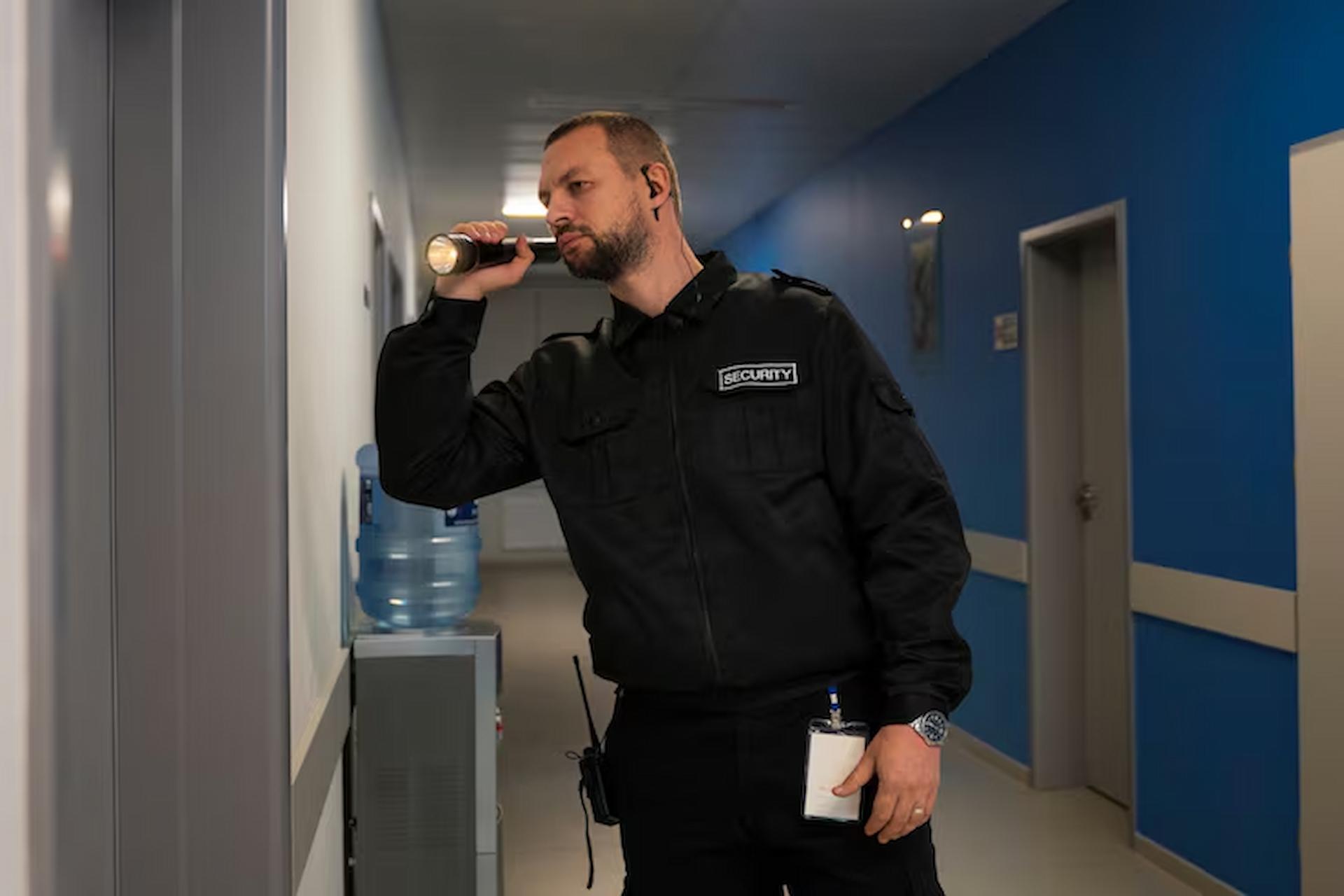
London’s vibrant business scene brings opportunities alongside challenges, especially after dark. With bustling streets giving way to quieter hours, many commercial properties face risks from theft, vandalism, and unauthorised access. Understanding whether your premises require dedicated protection during these times can safeguard your assets, employees, and operations. This guide walks you through practical steps to evaluate your needs, helping you make informed decisions that support long-term success.
Determining the right level of protection starts with a clear view of your specific situation. For businesses in areas with higher activity at night, overnight security services in London can provide peace of mind and practical deterrence.
Understanding the Risks in London’s Commercial Landscape
London remains one of the UK’s most dynamic cities, yet its scale and diversity create varying security demands. Business districts from the City to outer boroughs experience different patterns of activity after hours. Burglary and theft incidents, while showing some declines in recent statistics, continue to affect commercial sites, particularly those with valuable stock or equipment.
Factors such as location play a significant role. Premises near transport hubs, retail zones, or industrial estates may attract more attention overnight. Construction sites, warehouses, and offices with sensitive data or high-value goods often face elevated risks. Even well-lit areas can have blind spots where opportunistic crime occurs.
Key Indicators That Signal a Need for Overnight Protection
Several clear signs suggest your business could benefit from additional measures. Start by reviewing recent incidents at or near your property. A pattern of break-ins, suspicious activity reported by neighbours, or minor damage that escalates over time warrants closer attention.
Consider the nature of your operations. Businesses storing inventory, tools, or machinery often need extra vigilance. Similarly, sites with multiple entry points, large perimeters, or those operating in lower-traffic zones after evening hours tend to require stronger safeguards.
Insurance requirements frequently highlight the importance of physical presence. Many policies now encourage or mandate manned security to maintain coverage, especially for higher-risk categories. Checking your current policy details can reveal obligations you might otherwise overlook.
Conducting a Thorough Site Risk Assessment
A professional risk assessment forms the foundation of any effective decision. Walk your premises at night to identify vulnerabilities such as poor lighting, unsecured windows, or weak fencing. Evaluate access points, including loading bays, fire exits, and car parks.
Review historical data from your own records or local police reports. Tools like the Metropolitan Police’s crime mapping can offer insights into nearby trends. Combine this with an internal audit of valuables and potential targets.
Engage experts for an objective view. Many providers offer initial consultations that highlight areas needing attention without commitment. This step ensures your evaluation remains practical and focused on real threats rather than assumptions.
Evaluating Your Current Security Measures
Before deciding on overnight support, examine what you already have in place. Alarms and CCTV systems provide valuable monitoring, but they work best alongside human oversight. Cameras can miss nuanced situations that trained personnel spot immediately, such as subtle signs of tampering or loitering.
Test response times for existing setups. How quickly does an alarm trigger a reaction? In London’s busy environment, delays can allow incidents to develop. Consider whether your technology covers all areas effectively, including less obvious spots like rooftops or rear alleys.
Staff feedback offers another useful perspective. Employees working late or arriving early may notice issues that management overlooks. Regular reviews of logs and incident reports help identify gaps.
Many London businesses discover that combining technology with professional personnel delivers the most reliable results. This is where overnight security services in London prove especially valuable, bridging the limitations of remote systems with on-site expertise.
Weighing the Benefits Against Operational Needs
Overnight protection delivers more than deterrence. Guards conduct regular patrols, monitor for hazards like fires or leaks, and manage access for authorised personnel. Their presence reassures staff and can improve overall site morale by creating a greater sense of safety.
For businesses in competitive sectors, this level of care also protects reputation. Clients and partners appreciate proactive approaches to security, particularly in industries handling sensitive materials or serving the public.
Cost considerations matter, of course. Balanced against potential losses from theft, downtime, or increased insurance premiums, investment in security often pays for itself. Flexible options, from full-time guards to mobile patrols, allow businesses to scale according to budget and risk level.
Signs Your Business May Need Overnight Security
- Frequent overnight incidents or reports of suspicious activity in the vicinity
- Storage of high-value goods, equipment, or confidential information
- Large or complex premises with multiple access points
- Insurance stipulations requiring physical security presence
- Limited effectiveness of current alarms or cameras during night hours
- Operations in areas known for higher commercial crime rates
Practical Steps to Implement and Review Security
Once you identify the need, choose providers with strong local knowledge and proper accreditations, such as SIA licensing. Look for teams experienced in London’s unique environment, including varying borough regulations and traffic patterns.
Start with a trial period if possible. Many services allow short-term arrangements to test effectiveness before full commitment. Integrate security seamlessly with your existing routines, ensuring guards understand your specific business priorities.
Regular reviews keep arrangements effective. Schedule quarterly assessments to adapt to changes in operations, local conditions, or business growth. This ongoing process maintains relevance and value.
Technology complements human efforts well. Smart integration of CCTV, access controls, and mobile apps for real-time reporting creates layered protection that adapts to different situations.
Businesses across retail, hospitality, construction, and professional services all benefit from thoughtful security planning. The goal remains supporting smooth operations while minimising risks.
Why Professional Assessment Matters
Expert input brings clarity to complex decisions. Providers familiar with London’s commercial scene understand nuances that generic approaches miss, from cultural considerations in diverse neighbourhoods to seasonal variations in risk.
This professional perspective helps avoid both under-protection and unnecessary expense. It ensures decisions rest on evidence rather than guesswork, delivering confidence for business leaders.
Questions to Ask During Your Assessment
- What are the main vulnerabilities visible during a night-time inspection?
- How does local crime data compare to your industry averages?
- Are there compliance or insurance requirements I should address?
- What response times can I expect from existing systems?
- How might security measures impact daily operations and staff?
- Which combination of technology and personnel best fits my needs?
Securing Tomorrow’s Success
In summary, assessing your need for overnight protection involves honest evaluation of risks, current measures, and operational realities. By considering location, assets, incidents, and practical indicators, London businesses can implement solutions that fit their unique circumstances. Taking this step protects what you have built and supports continued growth in a dynamic city.