
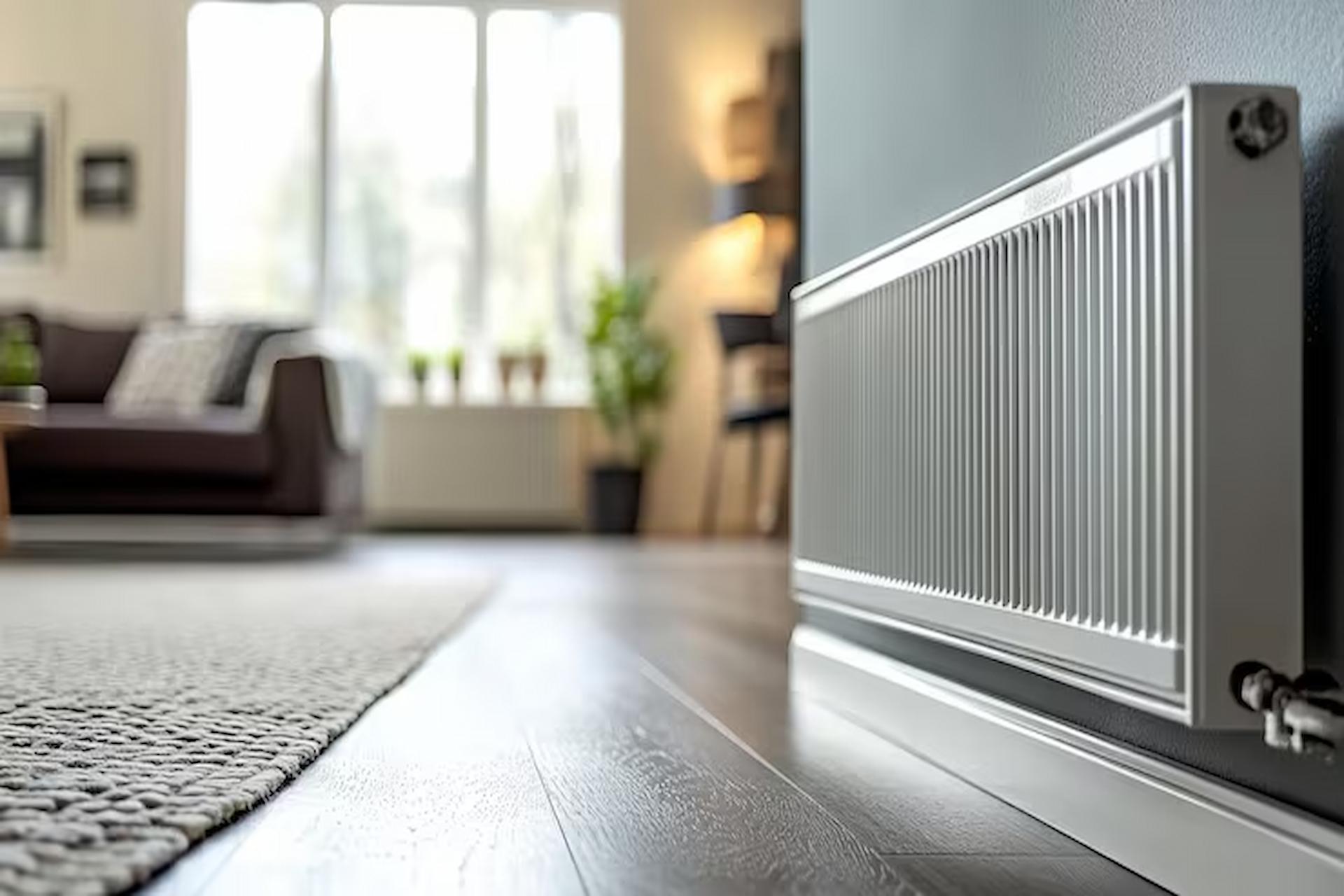
An unevenly heated home can be frustrating, especially during colder months when some rooms feel too warm while others remain chilly. Radiator balancing is a simple yet effective way to distribute heat evenly throughout your property without increasing energy usage. When done correctly, it improves comfort, enhances efficiency, and helps reduce heating costs.
Many homeowners overlook this process, assuming their heating system is functioning properly. However, even modern systems can develop imbalances over time. Learning how to balance your radiators ensures each room reaches the desired temperature consistently, making your home more comfortable and energy-efficient.
If you’re using high-quality systems like Stelrad, proper balancing becomes even more important, as it allows you to maximise performance and longevity. This guide breaks down the process into clear, actionable steps.
1. Understand Why Radiator Balancing Matters
Radiator balancing ensures that hot water flows evenly through all radiators in your home. Without balancing, radiators closest to the boiler heat up quickly, while those further away receive less hot water and remain cooler.
This imbalance leads to inconsistent temperatures across rooms. It can also cause your boiler to work harder than necessary, increasing energy consumption. Over time, this inefficiency can raise heating bills and reduce the lifespan of your system.
Balancing corrects this by regulating water flow using lockshield valves, ensuring each radiator heats at the same rate. The result is a more stable indoor environment and improved overall system efficiency.
2. Check Your Radiators Before Starting
Before adjusting anything, it’s essential to assess the current performance of your radiators. Turn on your heating system and allow it to run for a while. Walk through your home and identify which radiators heat up quickly and which take longer.
This step helps you understand the existing imbalance. Radiators that heat up first will need to be restricted slightly, while slower ones may need increased flow. It also allows you to spot any issues such as trapped air, which should be resolved before balancing.
If a radiator feels cold at the top, it likely needs bleeding. Addressing these minor problems first ensures the balancing process is accurate and effective.
3. Turn Off the Heating and Let the System Cool
Once you’ve identified problem areas, switch off your heating system and allow all radiators to cool completely. This step is crucial for safety and accuracy.
Working on a hot system can be dangerous and may lead to incorrect adjustments. Cooling the system ensures that temperature readings during the balancing process are reliable.
At this stage, make sure all thermostatic radiator valves are fully open. This allows maximum flow and ensures that adjustments made later are precise and effective.
4. Adjust the Lockshield Valves Gradually
Each radiator has two valves: a thermostatic valve and a lockshield valve. The lockshield valve controls how much hot water flows through the radiator.
Start with the radiator closest to the boiler. Open the lockshield valve slightly, then move to the next radiator and repeat the process. Radiators further away typically require more open valves to compensate for reduced water pressure.
Adjustments should be small and gradual. Turning the valve too much can disrupt the balance, making the system inefficient again. Patience is key here, as achieving the right balance often takes a few fine-tuning attempts.
5. Measure Temperature Differences for Accuracy
For a more precise balance, use a thermometer or infrared temperature gun. Measure the temperature at the pipe where water enters the radiator and where it exits.
Ideally, there should be a temperature difference of around 10–12°C between the inlet and outlet. If the difference is too small, reduce the flow slightly. If it’s too large, increase the flow.
This method ensures that each radiator is receiving the correct amount of hot water. It also helps maintain consistent heating across all rooms, preventing hot and cold spots.
6. Test the System and Make Final Adjustments
Once all radiators have been adjusted, turn your heating system back on and observe how it performs. Walk through each room and check whether temperatures feel consistent.
You may need to make minor tweaks to achieve perfect balance. Heating systems can vary depending on property size, pipe layout, and radiator type, so slight adjustments are normal.
Allow the system to run for a full cycle before making further changes. This ensures that heat has had enough time to distribute evenly throughout the home.
7. Maintain Balance for Long-Term Efficiency
Radiator balancing is not a one-time task. Over time, changes in usage, upgrades, or system wear can affect performance.
Regularly checking your radiators helps maintain efficiency. If you notice uneven heating again, a quick rebalance can restore comfort without needing professional intervention.
Routine maintenance also ensures your heating system operates at peak efficiency, reducing energy waste and extending its lifespan.
Final Thoughts
Balancing your radiators is one of the simplest ways to improve home comfort and energy efficiency without investing in new equipment. By ensuring even heat distribution, you create a more pleasant living environment while reducing unnecessary strain on your heating system.
With a little time and careful adjustment, you can transform how your home feels during colder months. The result is consistent warmth, lower energy bills, and a heating system that performs exactly as it should.Stelrad