


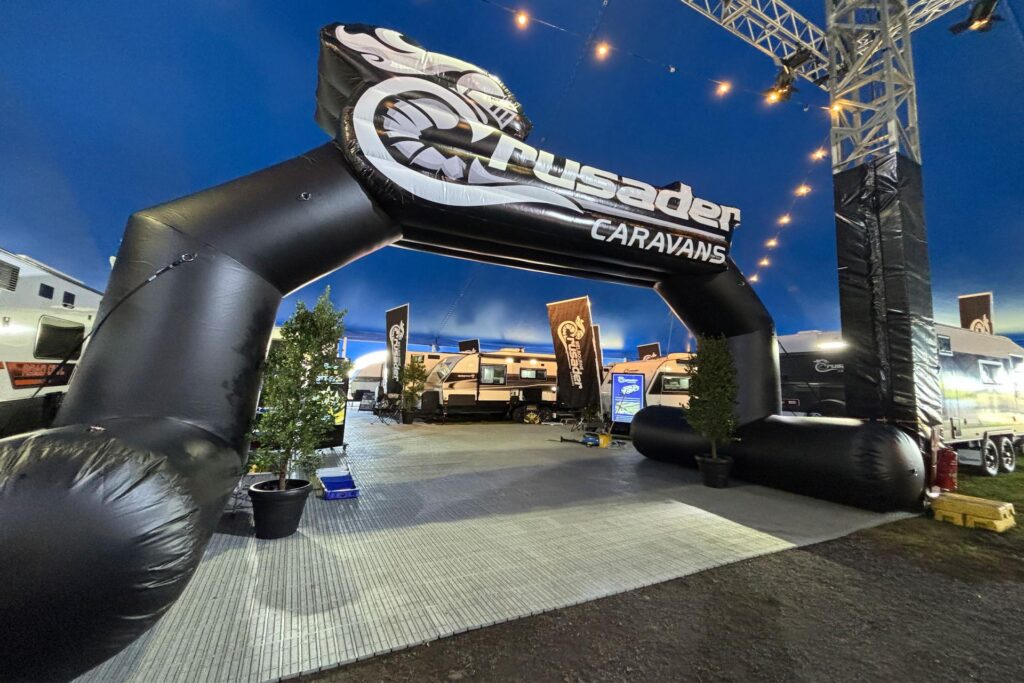
Inflatable structures have become a familiar sight at events, sports competitions, exhibitions, and promotional campaigns. Their visual appeal, ease of setup, and versatility make them a practical solution for organisers looking to create impact without complex installations. However, not all inflatables serve the same purpose. Arches, tunnels, and larger inflatable structures each have distinct roles, designs, and specifications that suit different applications.
Understanding these differences helps in choosing the right solution for your event or campaign. Providers such as Megaflatables offer a wide range of options, but selecting the most suitable type depends on how and where it will be used.
What Are Inflatable Arches?
Inflatable arches are among the most widely used inflatable designs, particularly in outdoor events. They are typically shaped in a curved form, creating a prominent overhead feature that people can pass beneath.
Common Uses
Inflatable arches are often seen at:
- Marathon and race start or finish lines
- Sporting events and competitions
- Festivals and community gatherings
- Promotional campaigns and brand activations
They act as visual markers, guiding participants while also serving as branding opportunities.
Key Specifications
Inflatable arches are designed for visibility and stability. Their main features include:
- Lightweight materials such as PVC or nylon
- Customisable branding surfaces
- Internal or constant air systems (sealed or fan-powered)
- Anchoring systems for outdoor stability
Their size can vary significantly, depending on the scale of the event. Larger arches are often used in high-profile races to ensure visibility from a distance.
What Are Inflatable Tunnels?
Inflatable tunnels take the concept of arches a step further by creating an enclosed or semi-enclosed passageway. Instead of a simple overhead curve, tunnels extend lengthwise, forming a walk-through experience.
Common Uses
Inflatable tunnels are popular in:
- Sports stadium entrances
- Team walkouts and player introductions
- Event entrances and themed experiences
- Product launches or immersive brand zones
They are designed to create anticipation and a sense of occasion, often enhanced with lighting, sound, or printed graphics.
Key Specifications
Inflatable tunnels focus on both structure and experience. Their main characteristics include:
- Extended length compared to arches
- Enclosed or partially enclosed design
- High-quality printed surfaces for branding
- Optional lighting or internal features
Because tunnels are interactive, they are often built with durable materials that can handle frequent foot traffic. Their design also allows for more creative branding opportunities compared to arches.
What Are Inflatable Structures?
Inflatable structures are the most versatile and complex category. Unlike arches or tunnels, these are not limited to a single shape or function. They can be designed as domes, tents, custom shapes, or large-scale installations.
Common Uses
Inflatable structures are used across a wide range of applications, including:
- Exhibition stands and trade show booths
- Temporary event spaces or shelters
- Promotional installations and experiential marketing
- Entertainment zones or themed environments
Their adaptability makes them suitable for both indoor and outdoor use.
Key Specifications
Inflatable structures are designed for functionality as well as visual impact. Their specifications typically include:
- Custom shapes and sizes tailored to specific needs
- Strong structural integrity using constant air systems
- Weather-resistant materials for outdoor use
- Modular designs for easy transport and assembly
Unlike arches and tunnels, these structures often serve as standalone environments rather than simple entry points or markers.
Key Differences at a Glance
Although all three types fall under the category of inflatables, their differences are clear when viewed side by side.
Purpose
- Arches: Mark entrances, start/finish lines, or focal points
- Tunnels: Create immersive walk-through experiences
- Structures: Provide functional spaces or environments
Design
- Arches: Curved, open design
- Tunnels: Extended, enclosed passageways
- Structures: Fully customisable shapes and layouts
Complexity
- Arches: Simple and quick to install
- Tunnels: Moderately complex with interactive elements
- Structures: More complex, often requiring detailed planning
Branding Opportunities
- Arches: Limited but highly visible
- Tunnels: Expanded branding across interior and exterior
- Structures: Fully customisable branding across all surfaces
Choosing the Right Option
Selecting between an inflatable arch, tunnel, or structure depends on several practical factors.
Consider the Event Type
For races or outdoor events, arches are usually the most effective. For stadium entrances or high-energy launches, tunnels offer a more engaging experience. For exhibitions or branded environments, larger structures provide the flexibility required.
Think About Space and Setup
Arches require minimal space and can be installed quickly. Tunnels need more room due to their length, while inflatable structures may require significant space depending on their size and design.
Evaluate Branding Needs
If visibility is the priority, arches deliver strong visual impact. For storytelling or immersive branding, tunnels and structures offer more creative possibilities.
Assess Budget and Logistics
Arches are typically the most cost-effective option. Tunnels and structures involve higher costs due to their size, materials, and customisation. Transport, storage, and setup requirements should also be considered.
Practical Advantages of Inflatable Solutions
Despite their differences, all inflatable types share several practical benefits:
- Portability: Easy to transport and store
- Quick installation: Minimal setup time compared to traditional structures
- Customisation: Flexible branding and design options
- Visual impact: Strong presence without permanent construction
These advantages make inflatables a reliable choice for temporary installations across various industries.
Conclusion
Inflatable arches, tunnels, and structures each serve a distinct purpose, from guiding participants at events to creating immersive brand experiences and functional spaces. While arches are ideal for visibility and simplicity, tunnels add depth and engagement, and larger inflatable structures offer unmatched versatility.
The right choice depends on the goals of your event, the space available, and the level of interaction you want to create. By understanding their differences in design, function, and specifications, it becomes easier to select an inflatable solution that not only fits your needs but also enhances the overall experience.