


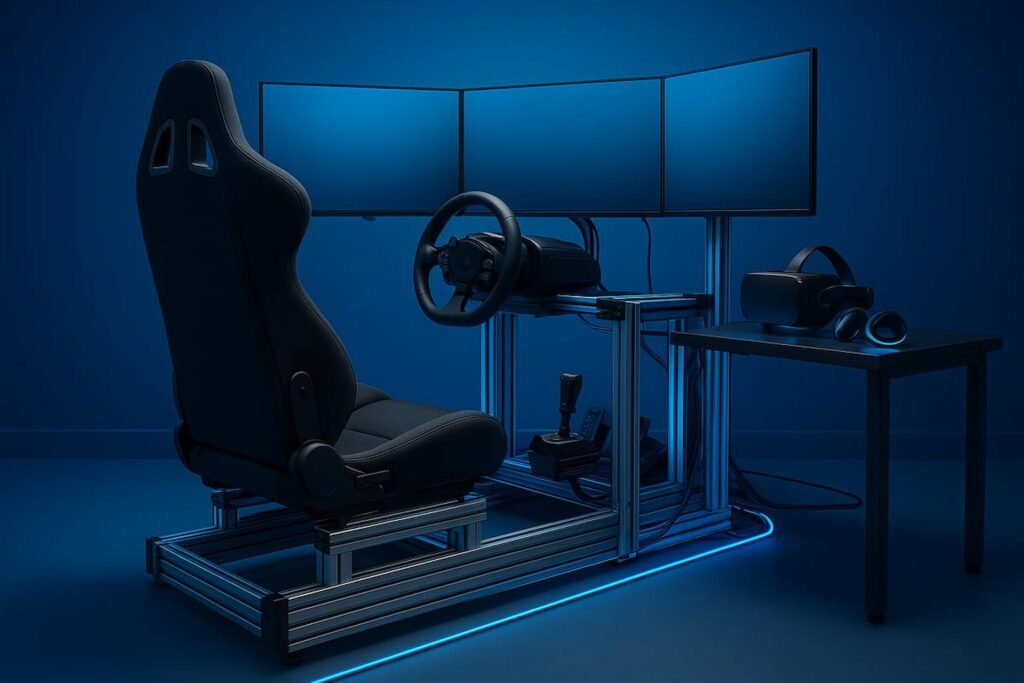
Getting into sim racing no longer requires a professional rig or a large investment. With the right approach, you can create a responsive and immersive setup without overspending. Whether you are exploring racing games casually or aiming to improve your driving skills, a well-planned budget setup can deliver impressive performance and realism.
Many beginners start by researching reliable entry-level gear, and platforms like Sim Racer UK offer a helpful starting point for understanding what components are worth prioritising. Instead of chasing high-end equipment immediately, focusing on core essentials allows you to build a setup that grows with your experience.
Understanding the Core Components
Before purchasing anything, it is important to understand what makes up a sim racing setup. Each component plays a distinct role in delivering a realistic driving experience.
Steering Wheel and Pedals
The steering wheel and pedal set form the foundation of your setup. Entry-level wheels with force feedback provide a more engaging experience compared to basic controllers. Force feedback simulates road texture, tyre grip, and weight transfer, helping you develop better control.
Pedals are equally important. A good brake pedal with progressive resistance improves consistency during braking, which is critical in racing.
Gaming Platform
Your platform determines compatibility and performance. Most beginners choose between PC and console. A PC offers greater flexibility, mod support, and better graphics options, while consoles provide a simpler, plug-and-play experience.
Display and Seating
A single monitor or television works well initially, but positioning is key. The screen should be at eye level and close enough to enhance immersion. Seating can range from a regular chair to a dedicated racing seat, depending on your budget.
Choosing Budget-Friendly Equipment
Building a setup on a budget requires careful selection rather than compromise. Many affordable options deliver excellent performance for beginners.
Entry-Level Wheels Worth Considering
Brands such as Logitech and Thrustmaster dominate the entry-level market. Models like the Logitech G29 or Thrustmaster T150 provide reliable force feedback without excessive cost. These wheels are widely supported across games and platforms, making them ideal for newcomers.
Affordable Pedal Upgrades
If your budget allows, consider upgrading pedals before the wheel. A load cell brake pedal significantly improves braking precision, which directly impacts lap times.
Using What You Already Have
You do not need to invest in everything at once. A sturdy desk can replace a cockpit initially, and a comfortable chair can serve as your racing seat. This approach helps you allocate funds towards performance-enhancing components.
Setting Up Your Space Efficiently
Space constraints are common, especially for beginners. A compact and organised setup can still provide an immersive experience.
Desk-Based Setup
A desk setup is the most practical option for those with limited space. Ensure your wheel is securely mounted, as stability is essential for accurate steering input. Cable management also plays a role in keeping the setup clean and functional.
Foldable or Entry-Level Cockpits
If you want a more dedicated setup, foldable racing cockpits offer a balance between cost and convenience. They provide better ergonomics and can be stored easily when not in use.
Where to Spend and Where to Save
Budget building is about prioritisation. Some components directly impact performance, while others are more about comfort and aesthetics.
Invest in Performance First
Spend more on components that influence driving accuracy. A quality wheel and pedal set will make a noticeable difference in your experience and skill development.
Save on Accessories Initially
Items such as triple monitors, high-end rigs, or advanced motion systems can be added later. Focus on mastering the basics before expanding your setup.
By exploring trusted sources like Sim Racer UK, you can identify cost-effective bundles and beginner-friendly gear that align with your budget without sacrificing quality.
Practical Tips for Beginners
Starting out can feel overwhelming, but a few practical steps can simplify the process and improve your results.
- Begin with a single monitor setup and upgrade later if needed
- Prioritise force feedback over cosmetic features
- Adjust in-game settings to match your hardware capabilities
- Practise consistency rather than speed in early sessions
- Gradually upgrade components instead of replacing everything at once
These small decisions help create a setup that feels refined and capable, even on a limited budget.
Software and Game Selection
Your choice of racing games also influences your experience. Titles like Assetto Corsa, iRacing, and F1 series offer varying levels of realism and accessibility.
Beginner-Friendly Options
Games with adjustable difficulty settings allow you to learn at your own pace. They provide assists such as traction control and braking guides, which can be gradually reduced as your skills improve.
Simulation vs Arcade
Simulation titles focus on realism, while arcade games prioritise accessibility. Beginners often benefit from starting with a balanced title before moving into more complex simulations.
Future Upgrades to Consider
As your interest grows, upgrading your setup becomes a natural progression. Planning ahead ensures your initial purchases remain compatible with future improvements.
Load Cell Pedals
One of the most impactful upgrades, load cell pedals enhance braking precision and consistency.
Better Wheel Bases
Upgrading to a stronger wheel base provides more detailed force feedback, improving immersion and control.
Dedicated Cockpit
A rigid cockpit improves stability and comfort during longer sessions, making it a worthwhile long-term investment.
Common Mistakes to Avoid
Many beginners make avoidable errors when building their first setup. Recognising these pitfalls can save both time and money.
Overspending Early
Investing heavily before understanding your preferences often leads to unnecessary upgrades later. Start simple and expand gradually.
Ignoring Ergonomics
Poor seating position or screen placement can affect comfort and performance. Even a budget setup should prioritise proper alignment.
Neglecting Practice
Equipment alone does not improve skill. Consistent practice and learning racing techniques are essential for progress.
Conclusion
Building your first sim racing setup on a budget is entirely achievable with the right priorities and planning. By focusing on essential components, using existing resources, and upgrading gradually, you can create a setup that delivers both performance and enjoyment. A thoughtful approach ensures long-term value while allowing you to develop your skills over time. With patience and consistency, even a modest setup can provide a highly rewarding racing experience that grows alongside your ambitions.